Most homeowners never think about their main sewer line until it backs up. But a main line clog is one of the few plumbing disasters you can almost entirely prevent, if you clean the line on a sensible schedule instead of waiting for it to fail. So how often should you actually do it? Here is the straight answer for Stockton homes.
The General Rule: Every 18 to 24 Months
For a typical home, cleaning the main sewer line every 18 to 24 months is the widely recommended interval. That cadence keeps grease, buildup, and early root growth from ever reaching the point of a blockage. Think of it like an oil change for your sewer, cheap, routine, and far less painful than the alternative.
When You Should Clean It More Often (Yearly)
Several factors push the right interval to once a year, and many Stockton homes hit more than one of them:
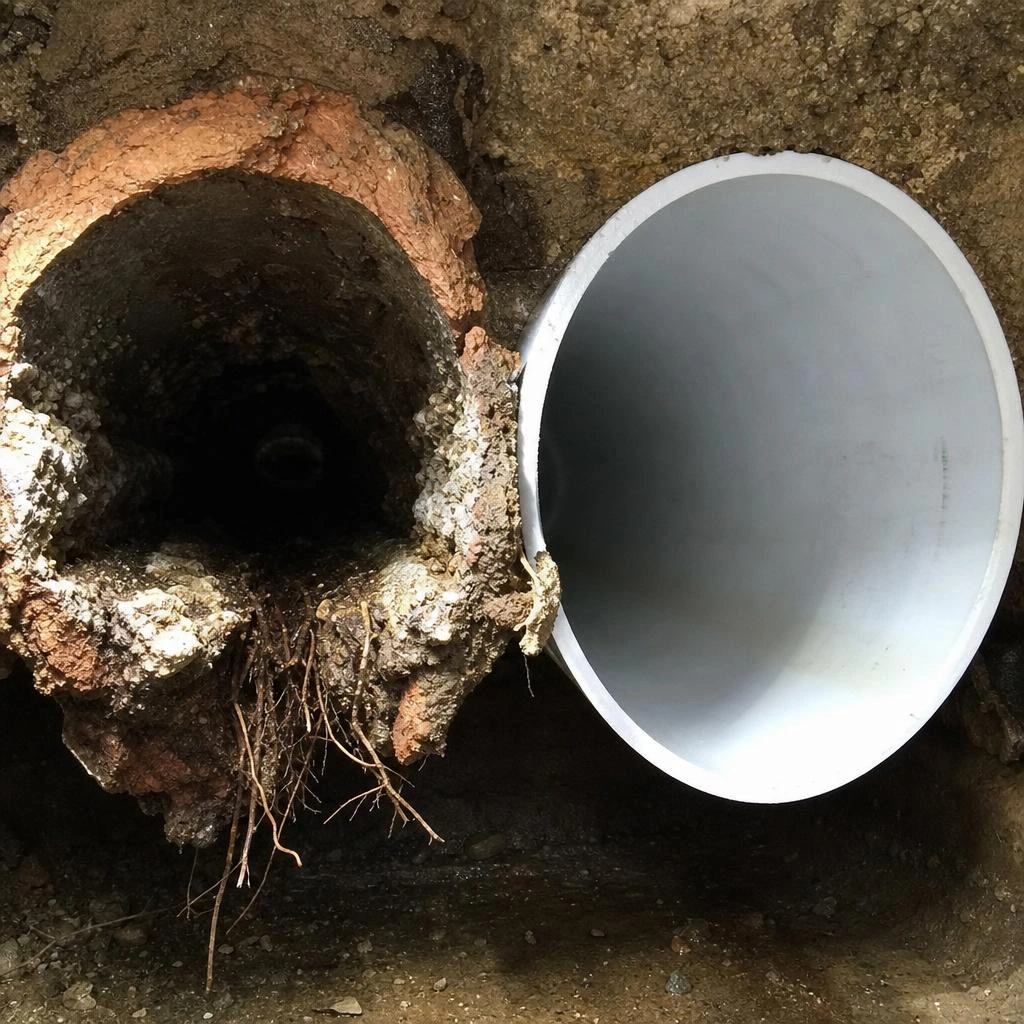
Older home with clay or cast iron pipe. Homes built before 1970, common in Downtown, South Stockton, Lincoln Village, and the Miracle Mile, have jointed pipe that roots love.
Mature trees near the sewer line. Roots are the top cause of recurring clogs in Stockton, more on that in our tree root guide.
A history of backups. If you have had a main line clog before, the conditions that caused it are usually still there.
Large household or heavy use. More people means more waste, grease, and paper through the line.
Not sure when your line was last cleaned?
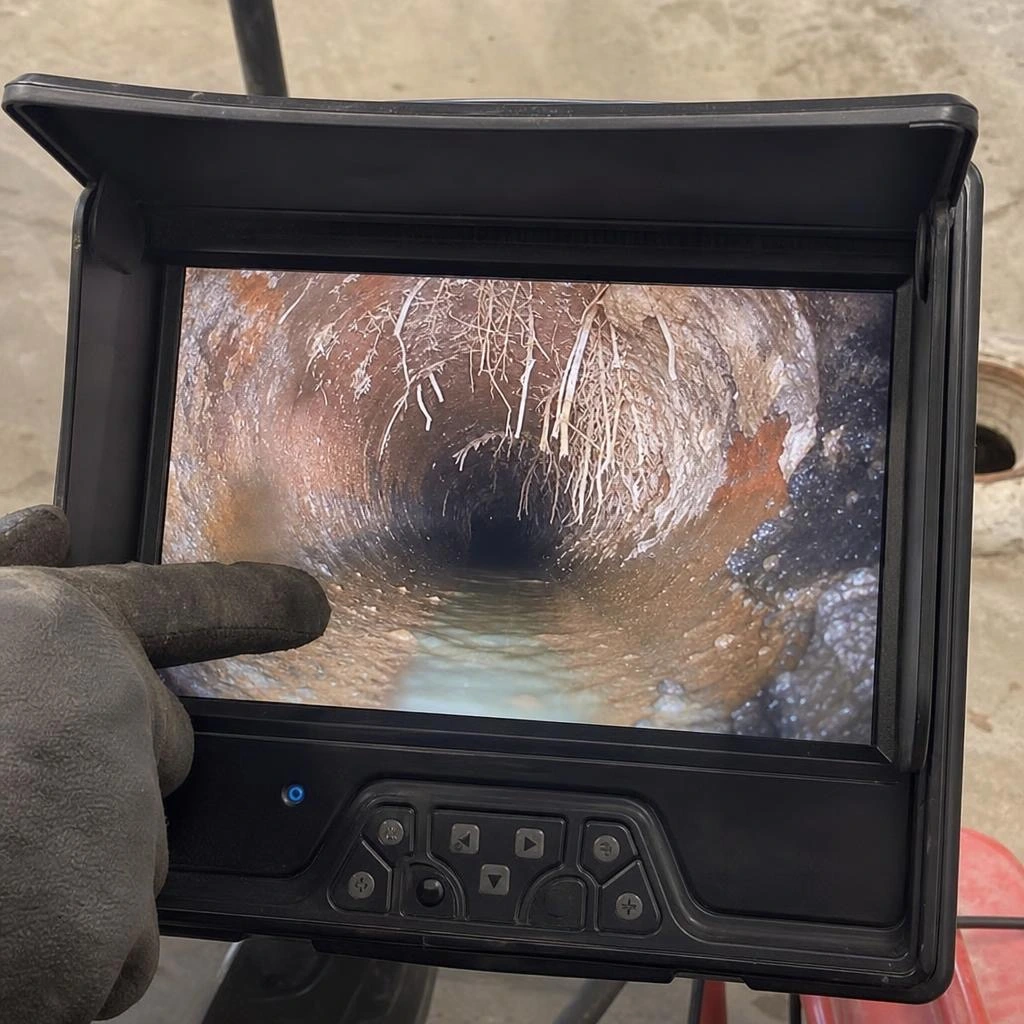
We can clean it and run a quick camera check to set the right schedule for your home, same day in Stockton.
Signs You're Already Overdue
Do not wait for the calendar if your line is telling you it needs attention now. Slow drains in more than one room, gurgling toilets or drains, or a faint sewage odor all mean buildup is already restricting the line. These are the early signs of a main line problem, and catching them here is the whole point of preventive cleaning.
Why Preventive Cleaning Pays for Itself
The math is lopsided. A routine main line cleaning in Stockton runs $200 to $450. A sewage backup that reaches your floors and walls runs $3,000 to $10,000 in remediation, before the drain work. Preventive cleaning is one of the highest-return maintenance tasks a homeowner can do. See our cost guide for the full price breakdown.
How the Schedule Actually Works
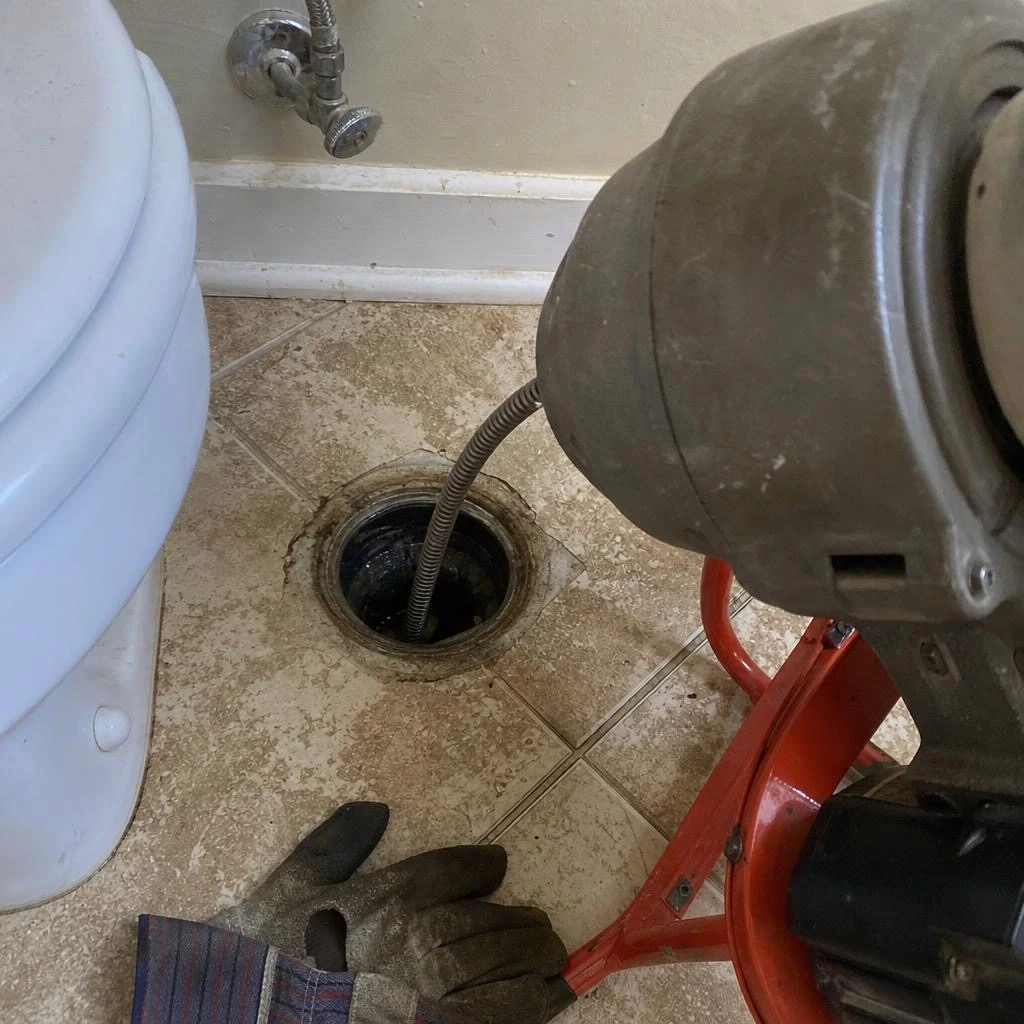
Routine cleaning is done with a powered auger through the main cleanout, or hydro jetting when the line has heavier grease or root activity. Pairing your first cleaning with a camera inspection is the smartest move, it shows the pipe's actual condition so you know whether you are an every-two-years home or an every-year home, instead of guessing.