Tree roots are the number-one cause of serious sewer line damage in Stockton, and it is not close. Our older neighborhoods combine two things roots love: aging clay and cast iron pipe with joints that leak, and decades-old trees with aggressive root systems searching for water. The result is root intrusion, and if you have a sewer line that keeps clogging no matter how many times it is snaked, roots are the most likely reason.
Here is how roots get in, how to know it is happening, what it costs to clear, and, most importantly, how to keep them from coming back.
How Roots Get Into Your Sewer Line
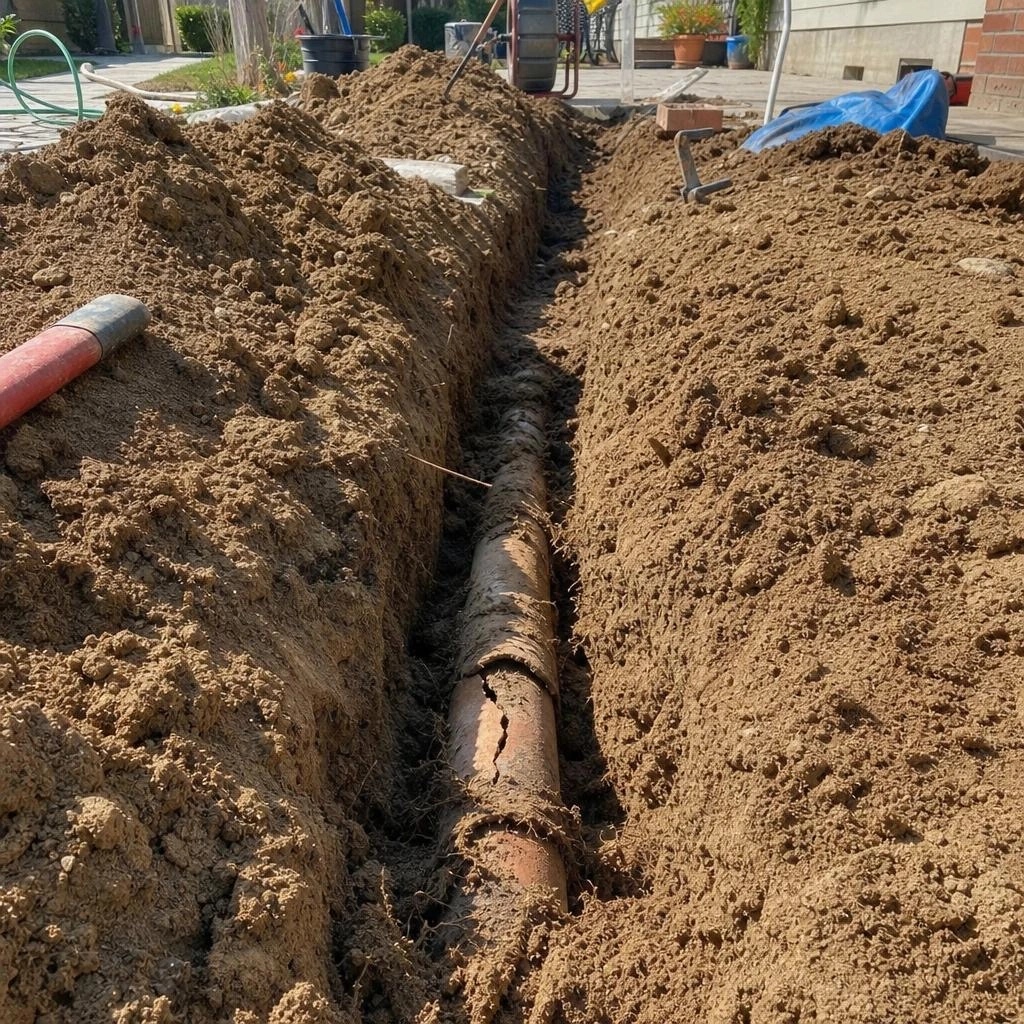
Sewer pipes carry warm water and nutrients, exactly what roots seek during a dry Central Valley summer. Roots find the tiny amount of vapor escaping from a loose joint or hairline crack, grow toward it, and push in through the opening. Once inside, they fan out into a mesh that catches everything flowing past, grease, paper, waste, and build the recurring clog. Older clay and cast iron laterals, standard in pre-1970 Stockton homes, have joints every few feet, which is why they are far more vulnerable than modern seamless pipe.
Clogs That Keep Coming Back
A drain that is snaked clear and re-clogs within weeks or a few months is the classic root signature. The cable punches a hole through the root mass, flow returns briefly, and the roots keep growing right back. If you are calling for the same clog repeatedly, stop snaking and get a camera inspection.
Gurgling and Multiple Slow Drains
As roots restrict the line, air gets trapped and drains gurgle, and more than one fixture slows down at once. These overlap with the broader signs of a main line problem, roots are simply one of the most common causes behind them in Stockton.
Recurring clogs in an older Stockton home?
It's usually roots. We camera-inspect, clear them, and show you how to stop them, same day.
How Pros Confirm It's Roots
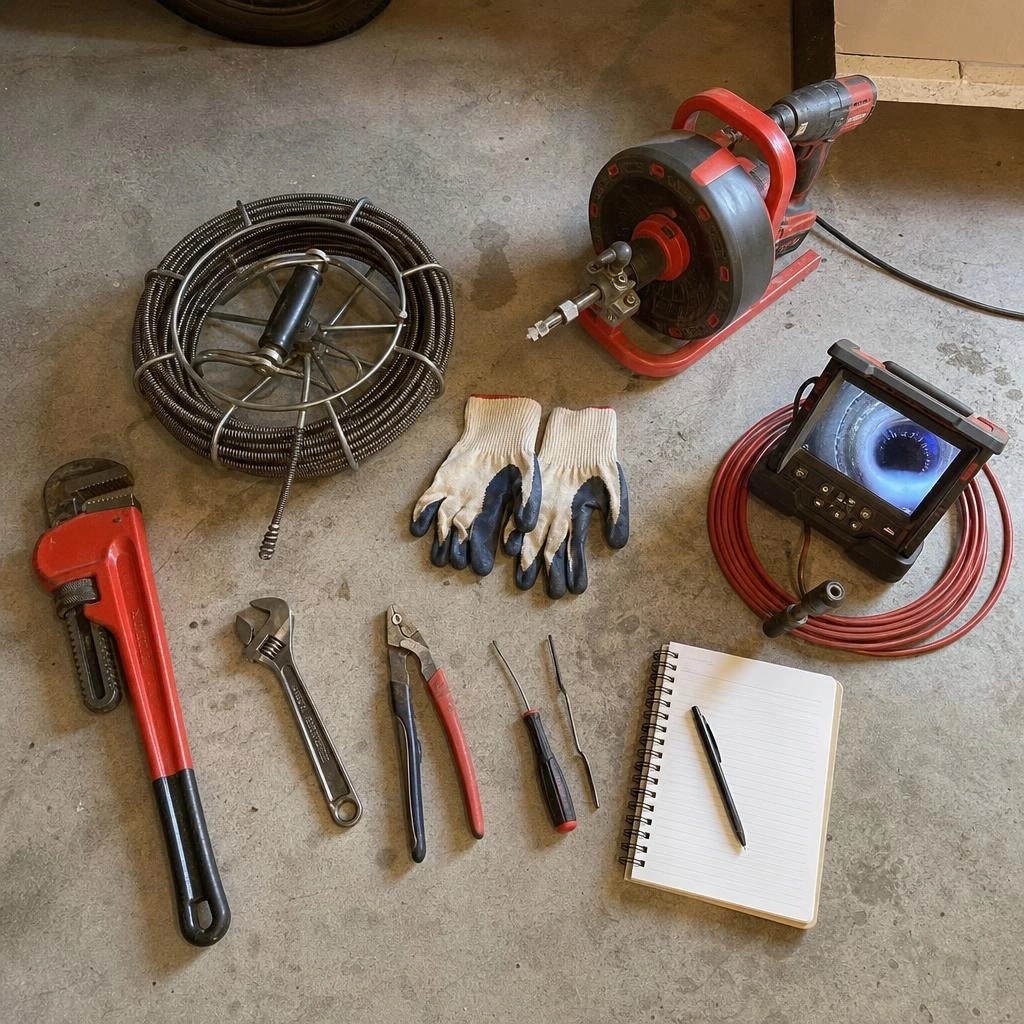
Guesswork is expensive. A sewer camera inspection sends a waterproof camera down the line and shows exactly where roots are entering, how far they have spread, and whether the pipe itself is cracked or collapsed at the entry point. That footage decides the right fix, and prevents paying for the wrong one.
How Roots Are Cleared, and What It Costs
Snaking alone does not solve a root problem, it only reopens flow temporarily. The real fix is hydro jetting with a root-cutting head, which scours the roots and debris out of the full pipe wall. In Stockton, expect these typical ranges:
Hydro jetting (residential): $350 to $650.
Rooter service, roots (jetting + mechanical cutting): $400 to $800.
Sewer camera inspection: $150 to $350, often credited toward the work.
See our full Stockton drain cleaning cost guide for the complete price breakdown.
Why Roots Come Back, and How to Stop Them
Clearing roots reopens the pipe, but if the entry point, the crack or loose joint, is left untouched, roots return, usually within 12 to 18 months. Lasting solutions address the opening itself:
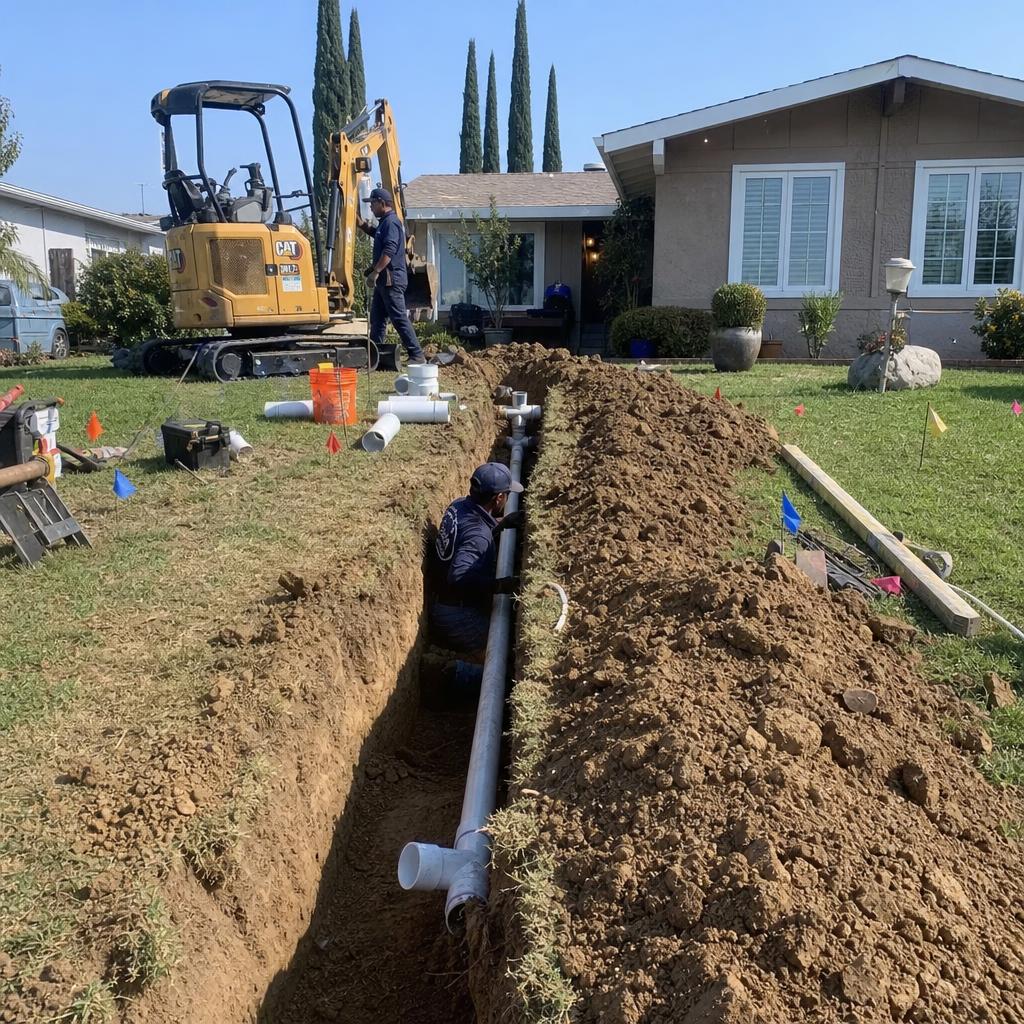
Spot repair ($1,500 to $4,000) replaces the damaged section where roots enter.
Trenchless pipe lining seals the pipe interior so joints no longer leak, removing the pathway roots use, covered in our sewer line replacement cost guide.
Routine maintenance jetting every 12 to 24 months keeps regrowth in check when repair is not yet warranted.
Prevention for Stockton Homeowners
If you have mature trees near your sewer line path, an annual camera check catches root intrusion before it becomes a backup. Avoid planting fast-growing, water-seeking trees (willow, poplar, sweetgum, some elms) near the lateral. And if you are buying an older home in Downtown, South Stockton, Lincoln Village, or the Miracle Mile, a pre-purchase sewer camera inspection is well worth it, root damage is common and expensive to discover after closing. Know your responsibilities under the city's sewer lateral rules before you buy or sell.
Why Roots Do So Much Damage in Stockton
Roots are one of the most common causes of sewer-line blockages
Tree root intrusion is one of the most common and costly causes of sewer failure nationwide, and it hits older pipe hardest. Clay pipe — standard in homes built before the late 1980s and common across older Stockton — is the easiest material for roots to penetrate: it is porous and has a joint every few feet, giving roots an entry point every few steps of the line.
Stockton's housing stock makes this worse. The median local home was built around 1980, so a large share of the city's sewer laterals are the clay and cast iron pipe that roots target most, while modern PVC resists them. Our pipe-material reference chart for older Stockton homes shows how each material compares.
Sources: USDA Forest Service research on tree-root intrusion in sewer systems; Stockton housing-age data per U.S. Census Bureau QuickFacts.