Sewer line replacement is the most expensive plumbing job most homeowners will ever face, and the price swings enormously depending on which method you use and what your yard looks like. If a plumber has told you your Stockton sewer line needs replacing, here is what it actually costs in 2026, the real difference between trenchless and traditional dig, and how to make sure you are not paying to replace a line that could have been repaired.
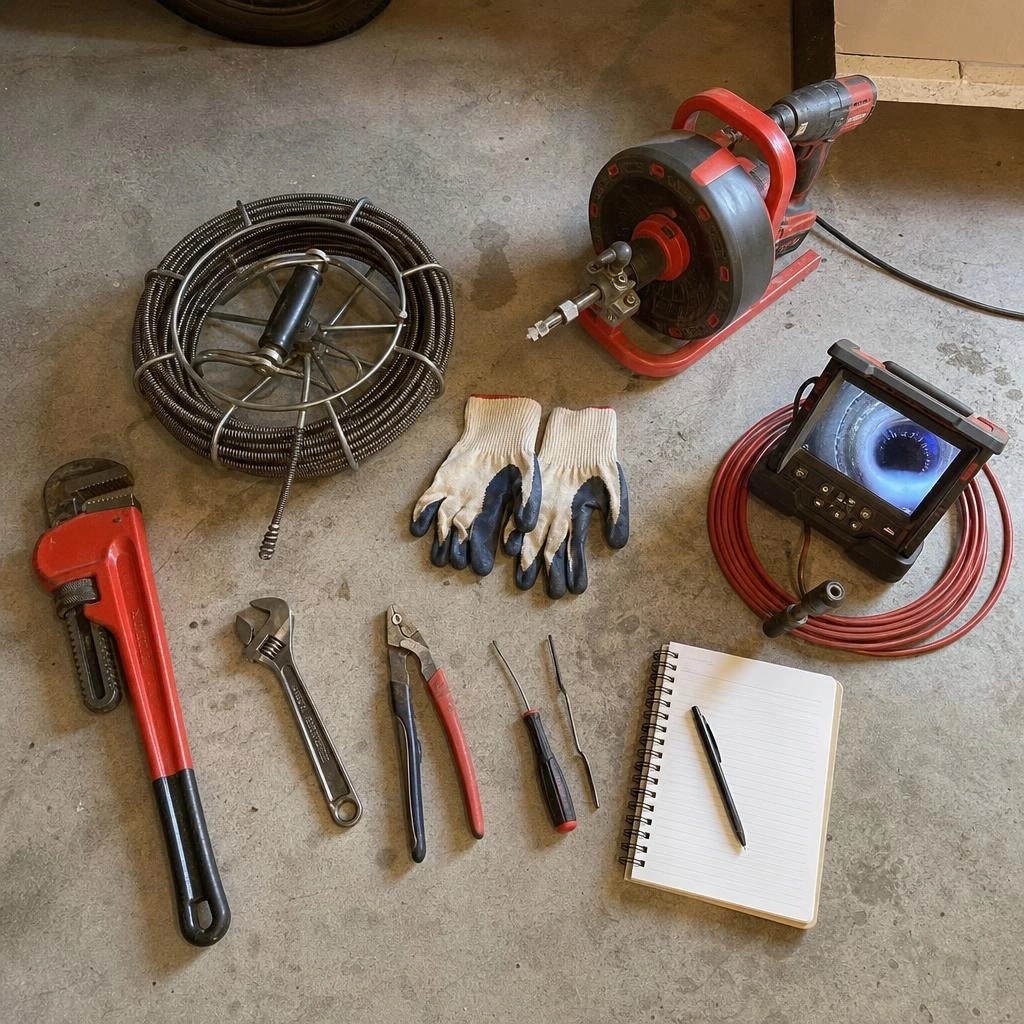
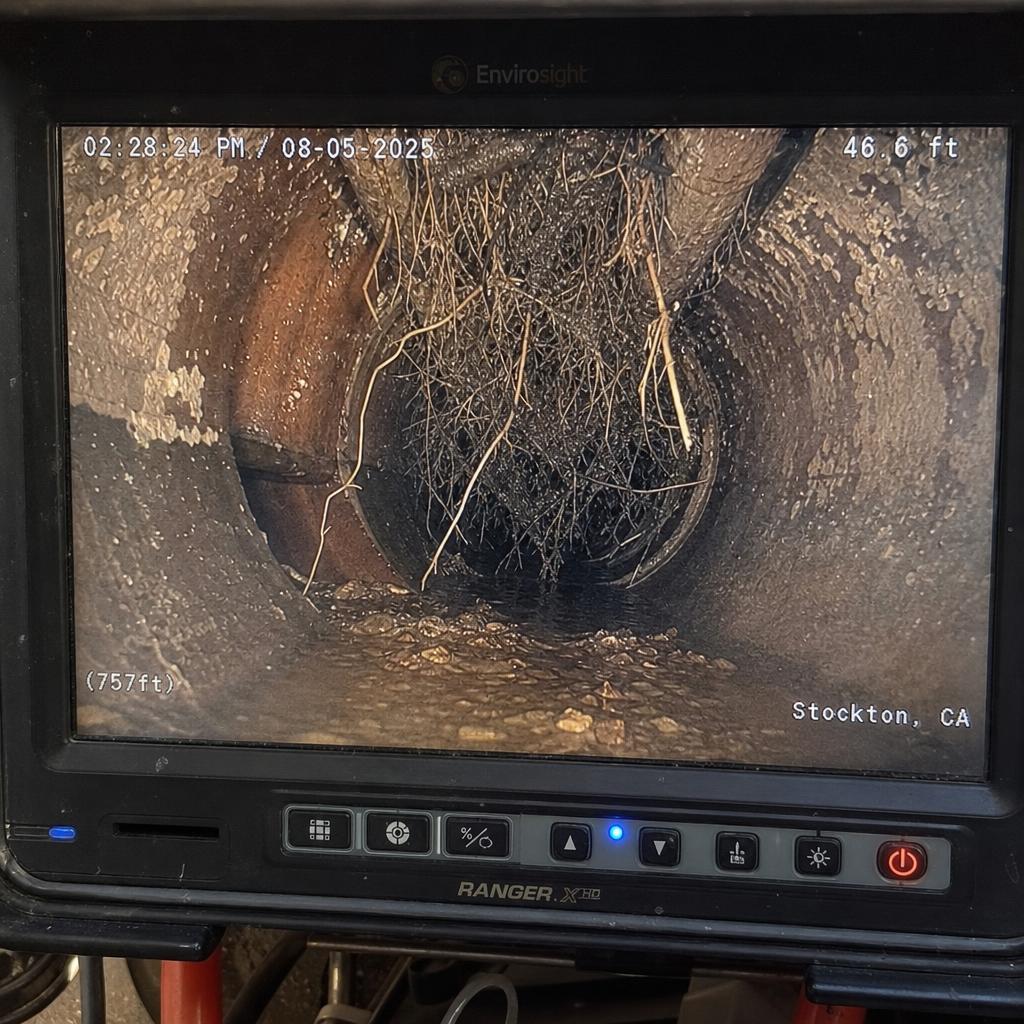
First, the honest question: do you actually need a full replacement? Plenty of lines that get quoted for replacement only need a spot repair or a good cleaning. Never approve a replacement without a camera inspection that shows you the damage on screen.
Sewer Line Replacement Costs in Stockton at a Glance
Typical 2026 Stockton-area ranges for residential work. Every job is scoped on camera and quoted upfront before work begins.
Trenchless vs. Traditional Dig: What's the Difference?
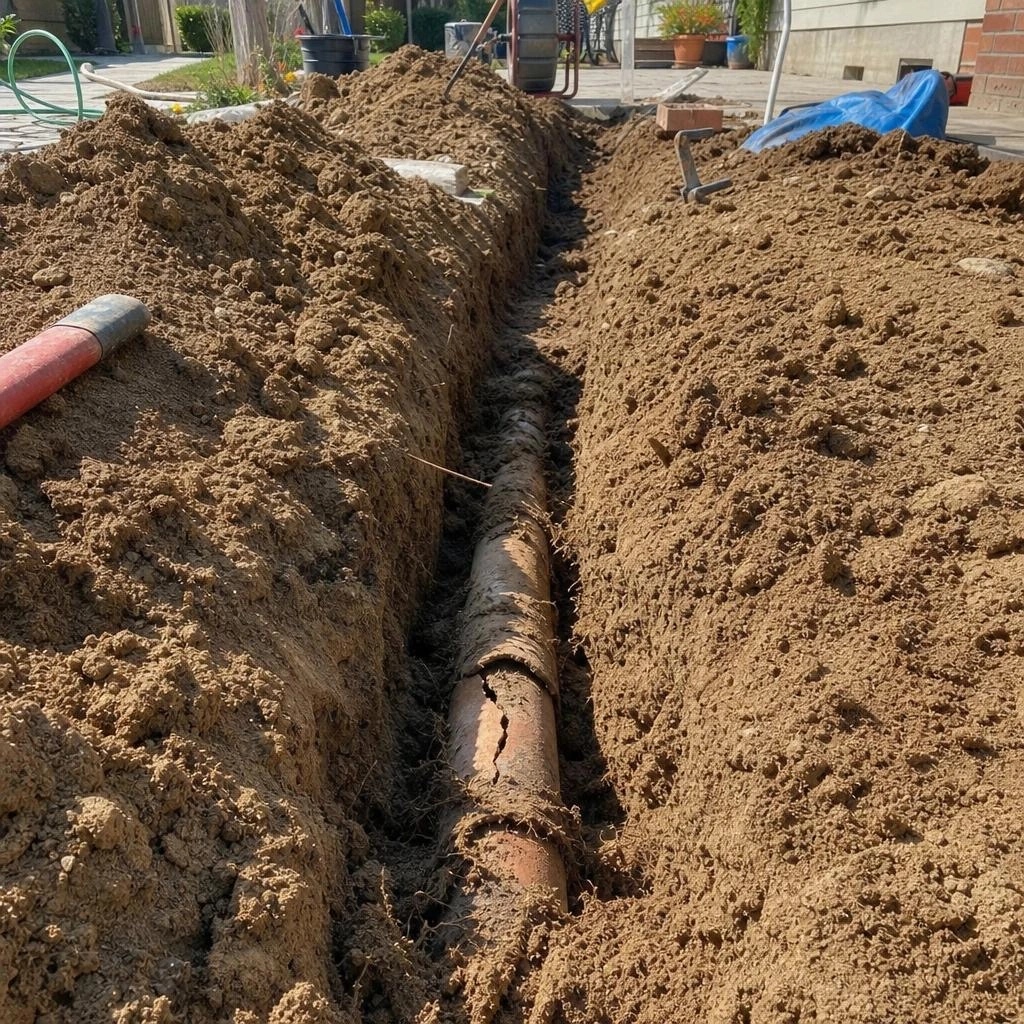
Traditional dig-and-replace is exactly what it sounds like: the crew excavates a trench along the sewer line, removes the old pipe, lays new pipe, and backfills. It is often cheaper per foot, but the real cost shows up in what gets torn up, your lawn, driveway, patio, or mature landscaping, and then has to be restored.
Trenchless replacement repairs or replaces the pipe with little to no digging, through one or two small access points. The two common methods are pipe lining (CIPP), where a resin-saturated liner is inserted and cured in place to form a new pipe inside the old one, and pipe bursting, where a new pipe is pulled through while a bursting head fractures the old one outward. Trenchless usually costs more per foot but saves thousands in yard and hardscape restoration, and it is far less disruptive.
Not sure if you need a repair or a replacement?
We camera-inspect your line and give you a straight answer with an upfront quote, same day in Stockton.
What Drives the Price Up or Down
Line length and depth. The longer and deeper the run from your home to the city main, the more it costs, both in materials and labor.
What's on top of the line. A sewer line under grass is cheap to reach. One under a concrete driveway, mature trees, or an addition costs far more, which is exactly where trenchless earns its premium.
Pipe material and condition. Older Stockton homes often have clay or cast iron lines. Fully collapsed sections sometimes rule out lining and force bursting or digging.
Permits and city requirements. Sewer work in Stockton requires permits, and the city has specific rules about sewer laterals, covered in our Stockton sewer lateral guide.
Which Should You Choose?
Choose trenchless when your line runs under a driveway, patio, mature trees, or foundation, when the existing pipe is intact enough to line or burst, and when avoiding weeks of yard restoration matters to you. Choose traditional dig when the line is shallow and under open grass, when the pipe is fully collapsed or badly misaligned, or when it is simply the more economical option for a short, accessible run. A camera inspection tells you which methods are even possible for your specific line.
Do You Really Need a Full Replacement?
This is where second opinions save homeowners thousands. A single cracked or root-invaded section can often be fixed with a spot repair for $1,500 to $4,000 instead of replacing the whole line. Recurring clogs from roots may only need hydro jetting plus a targeted repair at the root entry point. The only way to know is to see the line on camera. If any company quotes a full replacement without showing you camera footage of damage along the entire line, get a second opinion before you sign anything.
The Stockton Factor
Many homes in Downtown, South Stockton, Lincoln Village, and the Miracle Mile area have original clay or cast iron sewer laterals dating back decades. These materials crack at the joints, invite root intrusion, and eventually fail, which is why sewer replacement questions come up so often in these neighborhoods. If your home is pre-1970 and you are dealing with repeated main line backups, a camera inspection is the smartest first step before spending anything on a replacement.