Stockton Drain Pros is a locally owned drain and sewer company serving Stockton and San Joaquin County, and after enough calls you start to see the map. Sewer trouble is not random. It tracks three things almost perfectly: how old the pipe is, what it is made of, and how many big trees are growing over it. Line those up and you can predict which neighborhoods generate the most backups, root clogs, and repair jobs.
Here is the rough geography of it in Stockton, and what it means for your home.
It Comes Down to Pipe Age, Material, and Trees
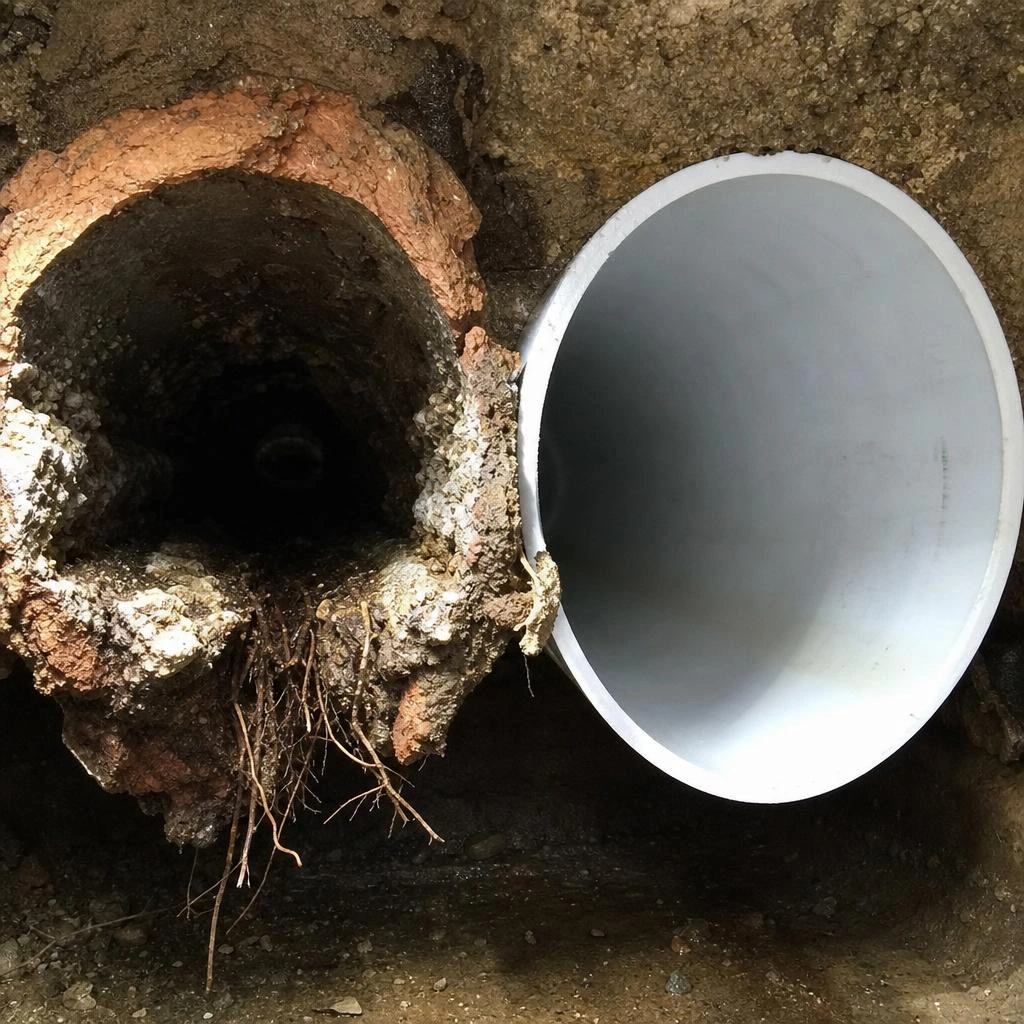
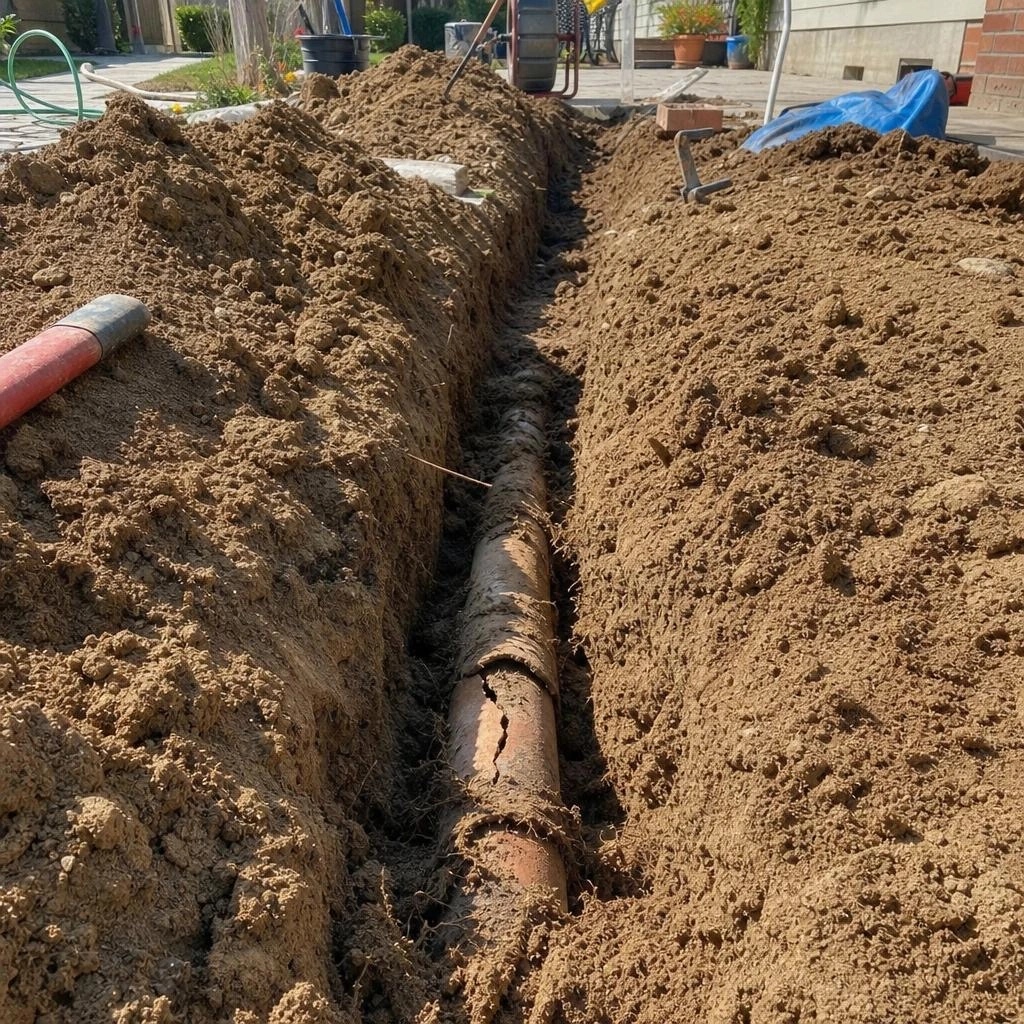
Homes built before the 1970s were plumbed with clay or cast iron sewer laterals. Clay is brittle and joins in short sections, so it develops a leak point every few feet. Cast iron corrodes from the inside over decades until the wall thins and flakes. Both invite tree roots, which find the leaking joints and grow in. Modern PVC, used in newer construction, is smooth, seamless, and resists roots. So the older the neighborhood, the older the pipe, and the more trouble. Per U.S. Census QuickFacts, a large share of Stockton's housing predates 1980, which is exactly the pipe that struggles.
Downtown and Central Stockton
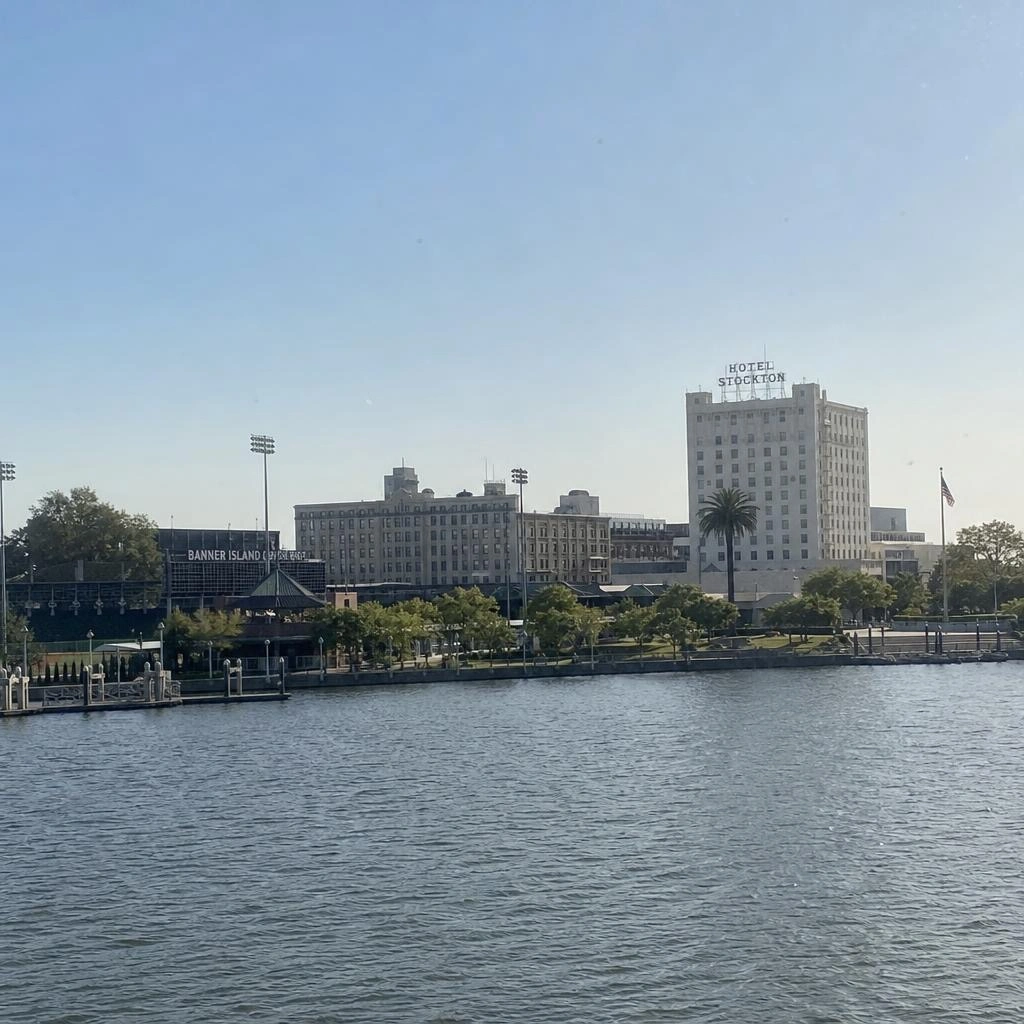
This is the oldest housing stock in the city, and it shows underground. Original clay laterals, some approaching a century old, are the norm. Root intrusion, offset joints, and outright collapsed sections are all common here, and a home that has never had its line camera-checked is often carrying a problem it does not know about. If you own or are buying downtown, a camera inspection is the single most useful thing you can do.
South Stockton
Older established neighborhoods across South Stockton share the same aging infrastructure. Clay and cast iron laterals, mature trees, and decades of grease and hard-water scale add up to recurring clogs and the kind of main-line backups that need more than a snake. Regular maintenance goes a long way in these areas.
Miracle Mile, Lincoln Village, and the Older Suburbs
The mid-century neighborhoods have a specific signature: big, established tree canopies planted decades ago, now with root systems reaching right across the sewer lateral. The pipe may be a bit newer than downtown, but the trees more than make up for it. Recurring root clogs are the classic complaint, and clearing them without addressing the entry point just resets the clock. This is prime hydro jetting and repair territory.
Recurring clogs in an older home?
Stop snaking it. We'll camera the line and find the real cause, same day.
Brookside, Spanos Park, Weston Ranch, and Newer Areas
Newer developments were plumbed with PVC, which resists roots and corrosion, so you see far fewer structural sewer failures. That does not make them immune. Kitchen grease still builds up, hard water still leaves scale, and a clogged kitchen line does not care how new your house is. The difference is that problems in these areas are usually cleanable, not structural.
What to Do if You Are on Older Pipe
If you are in one of the older-pipe neighborhoods, a few habits save a lot of money. Treat a recurring clog as a signal, not a nuisance, and get it camera-checked instead of snaked over and over. Consider an inspection every couple of years if you have mature trees. And if you are buying, get a pre-purchase sewer inspection before you close, because root and pipe damage is common, expensive, and invisible in a standard home inspection. Our guide to why older Stockton homes have more drain problems goes deeper on the pipe materials themselves.