
Does Drano actually work? Sometimes, on a small, soft clog, but it comes with real risks, and it never fixes the underlying problem. Chemical drain cleaners can clear a minor hair or soap clog, but they can also damage your pipes, harm you, and leave you with a caustic mess a plumber then has to work around. Here is the honest breakdown from a Stockton drain company.
How Chemical Drain Cleaners Work (and Where They Fail)
Products like Drano use a chemical reaction that generates heat to dissolve hair, grease, and organic gunk. On a shallow, partial clog close to the drain, that can be enough. But they are useless against the clogs that actually bring people to call us: tree roots, a grease-packed main line, a solid blockage, or anything deep in the sewer line. The chemicals never reach those, and the standing water just dilutes them.
Why It Can Wreck Your Pipes
The same heat that dissolves a clog is hard on your plumbing. Repeated use can corrode metal pipes and warp or soften older ones. This matters a lot in Stockton, where many homes built before 1970 have aging clay and cast iron sewer lines, exactly the pipes covered in our guide to older Stockton homes and drain problems. Pouring caustic chemicals through already-fragile pipe is asking for a leak or a crack.
Chemicals didn't clear it? Don't pour more.
We clear the clog mechanically, no caustic chemicals, no pipe damage, same day across Stockton.
The Safety Problem
Chemical drain cleaners are dangerous to handle. They can cause chemical burns, release harmful fumes, and react violently if mixed with other products. If the cleaner does not clear the clog, you now have a pipe full of caustic liquid, which makes the job riskier for whoever opens it next. Never use a chemical cleaner with a garbage disposal or a fully blocked drain, it has nowhere to go and can splash back.
When Chemicals Will Never Work
Skip the bottle entirely if: multiple drains are slow at once (that is a main line problem, not a local clog), a toilet is backing up into the shower, you smell sewage (see why your house smells like sewage), or the same drain keeps clogging. Those all point to roots, grease, or a structural issue that chemicals cannot touch.
What to Use Instead
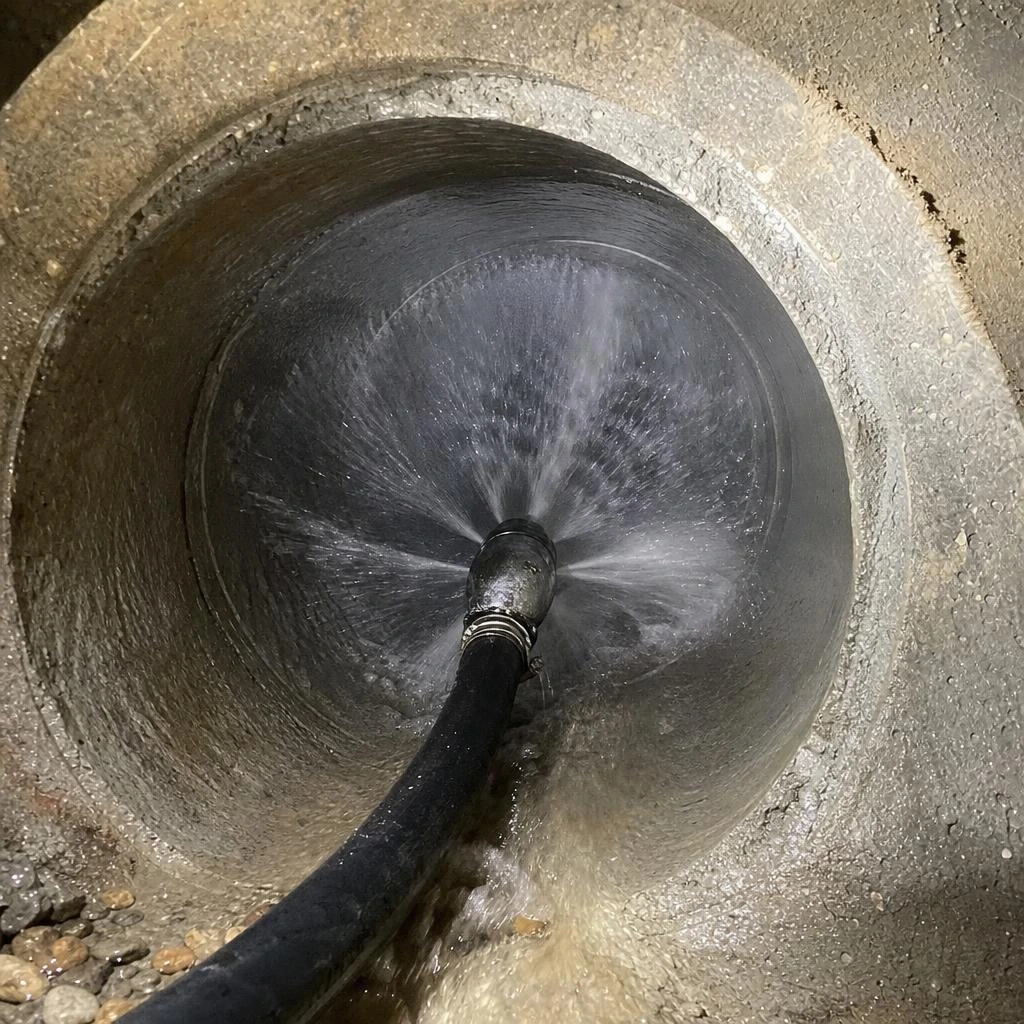
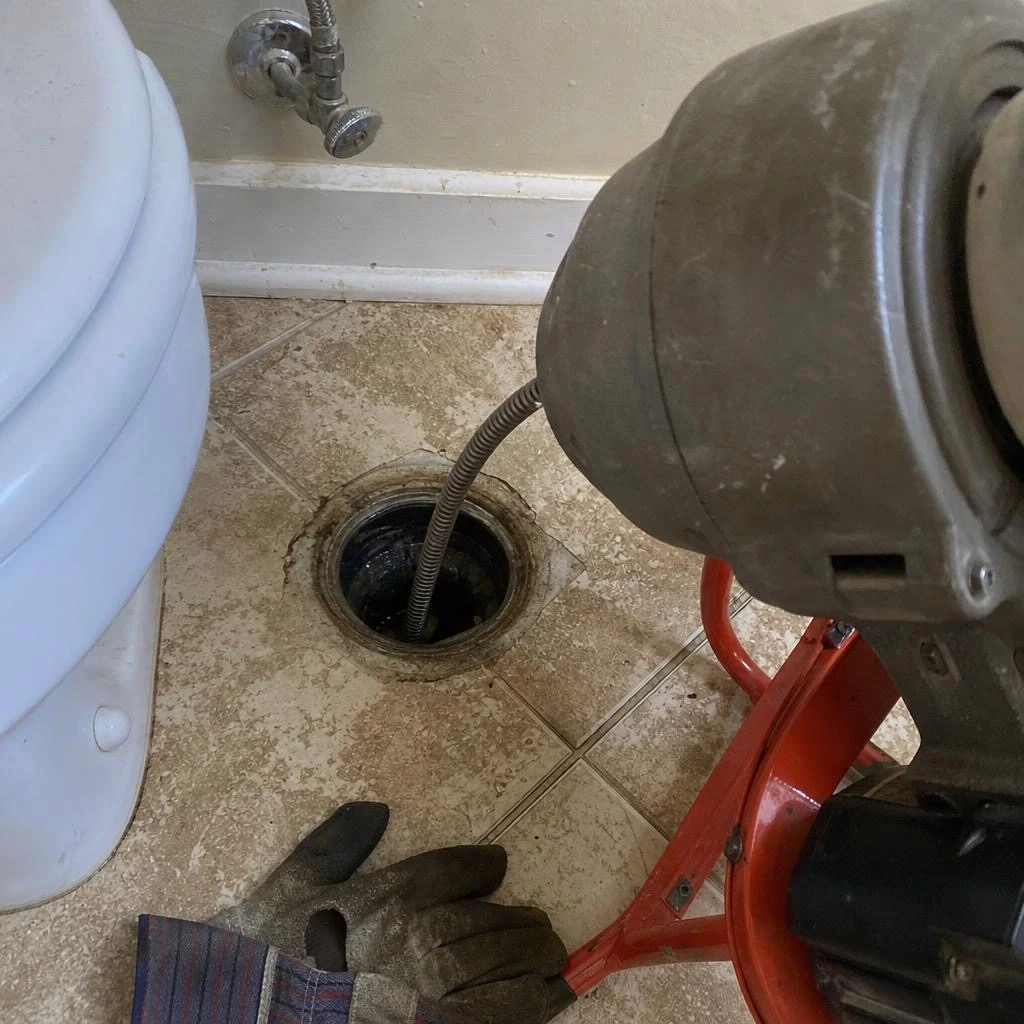
For a minor clog, start with hot water and a plunger, or a mechanical drain snake, both clear clogs without the chemical risk. For anything that keeps coming back or won't clear, professional drain cleaning or hydro jetting removes the actual cause. It is safer, it lasts, and it protects your pipes. See our cost guide for what professional clearing runs in Stockton.