Quick answer: Before Stockton’s rainy season (October through March), clear and camera your main sewer line so a summer’s worth of roots and buildup does not turn the first big storm into a backup. Homes that sit low or have flooded before should also check or add a backwater valve. Doing it now is far cheaper than an emergency cleanup mid-storm.
Stockton Drain Pros is a locally owned drain and sewer company serving Stockton and San Joaquin County, and every year we watch the same thing happen. A sewer line that drained fine all summer backs up the week the first real storm rolls through. It is not a coincidence, and it is very preventable if you handle it before the rain starts.
Here is why rain triggers backups in Stockton, and the short list of things worth doing in late summer and early fall, before the season's first storms in October and November.
Why Sewer Lines Back Up When It Rains
Three things stack up at once. Groundwater rises and seeps into any cracked pipe or loose joint, adding water your line was not carrying in the dry months. The city's sewer main takes on far more flow during a storm, and when it surcharges, that pressure can push back toward homes at lower elevations. And a line already narrowed by roots, grease, or scale simply runs out of room. A pipe running at partial capacity handles a normal day fine, then tips over the first time it has to move a surge.
The homes that get hit are rarely the ones with a brand-new blockage. They are the ones carrying a slow, hidden problem that summer masked and the first storm exposed.
Step 1: Camera-Inspect the Line in Early Fall
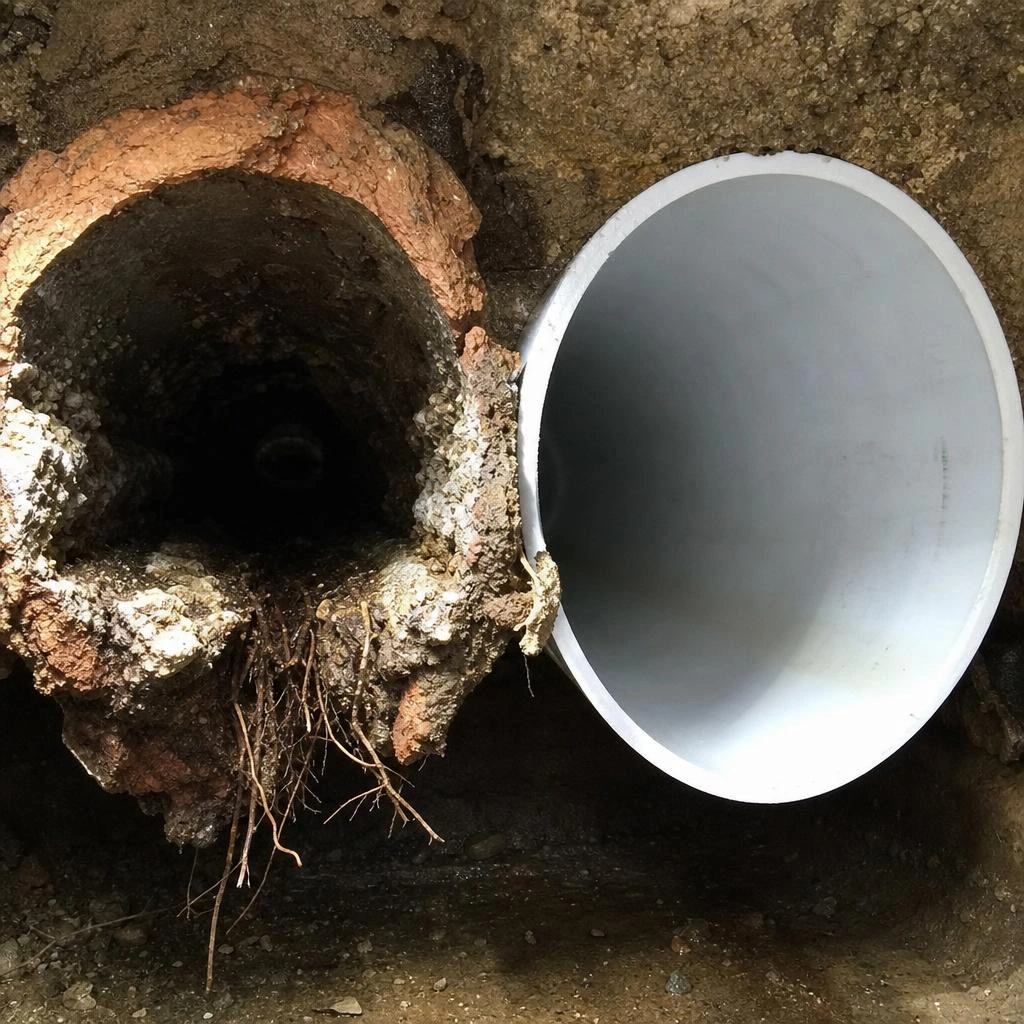
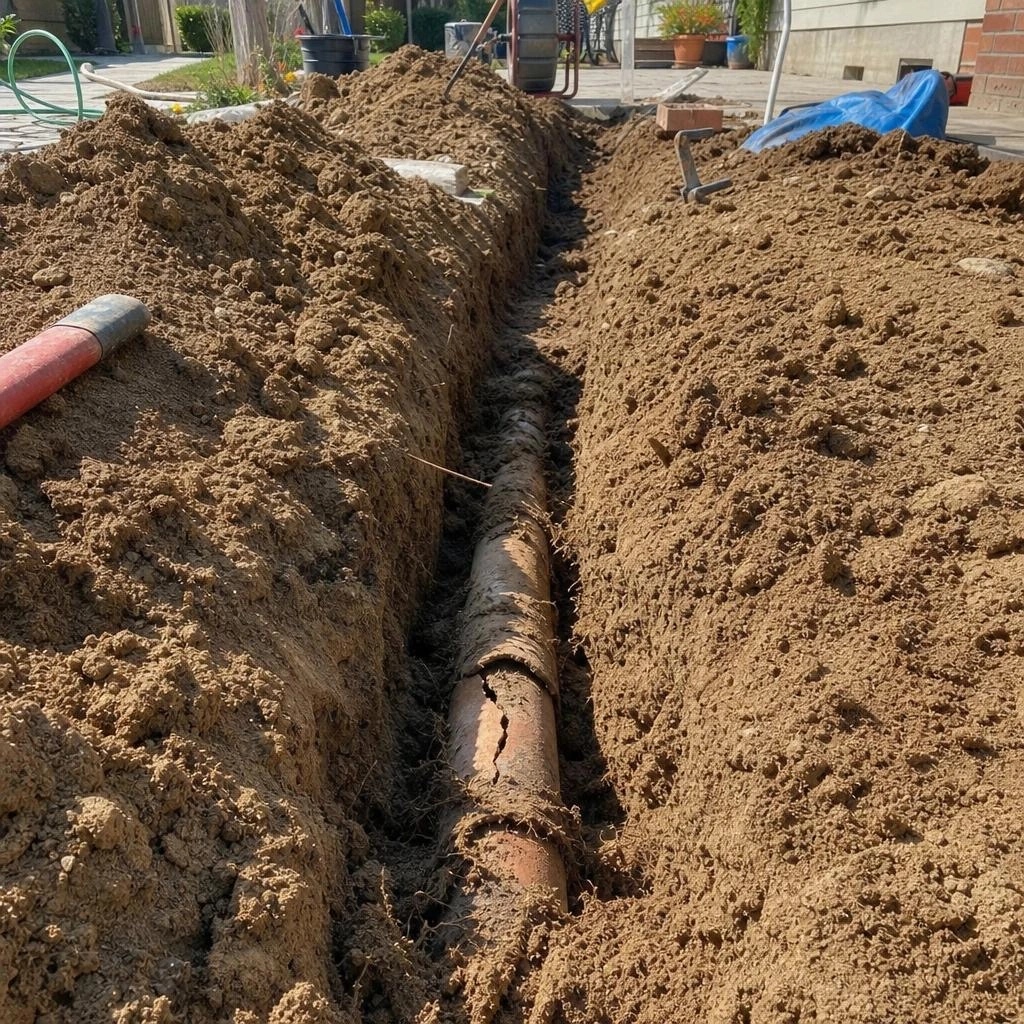
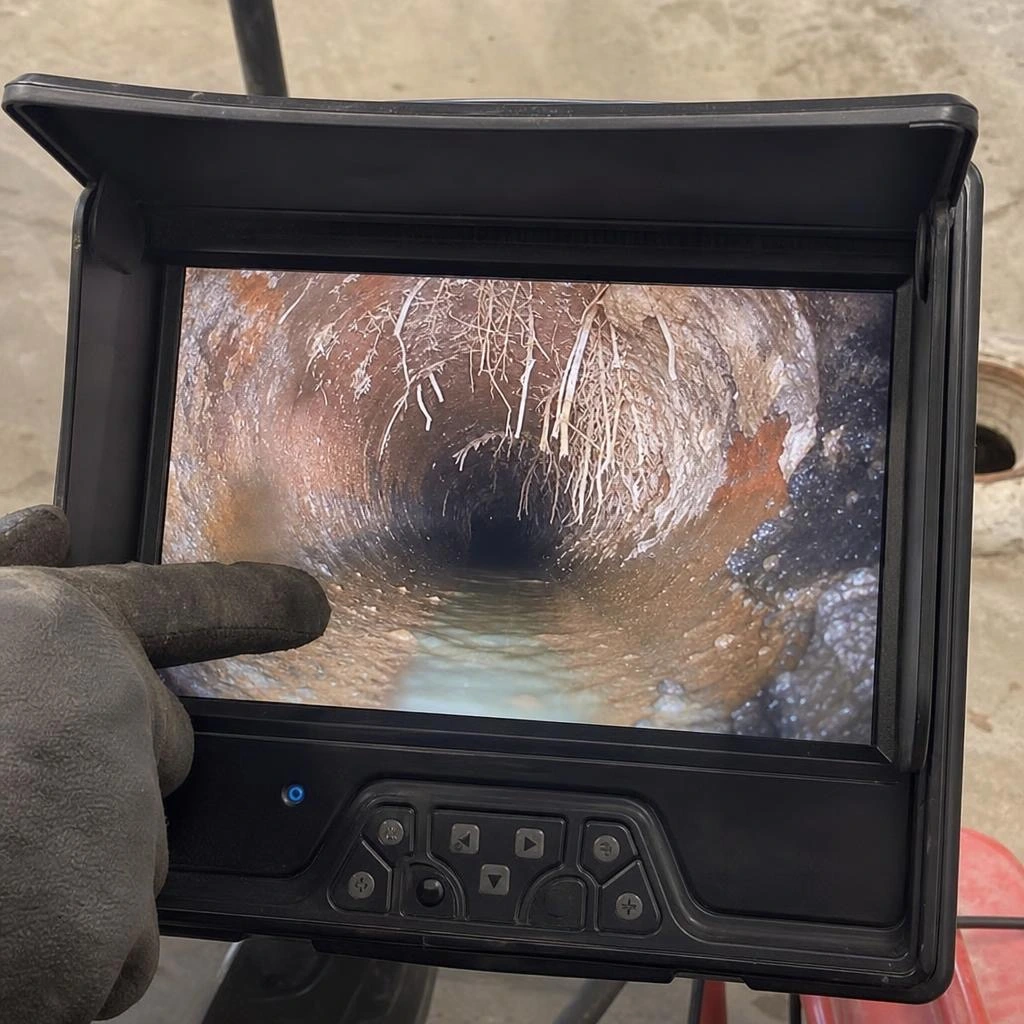
You cannot fix what you cannot see. A sewer camera inspection sends a waterproof camera down the lateral and shows exactly what is in there: root intrusion, a cracked section, a low spot that holds water, or grease buildup. Doing it in early fall gives you time to act on what it finds before the weather turns. If the line is clean, you have peace of mind. If it is not, you just avoided a storm-night emergency.
Step 2: Clear Buildup With Hydro Jetting
If the camera shows roots or heavy buildup, hydro jetting is what restores full capacity. High-pressure water scours the pipe wall clean, front to back, so the line has room for storm flow instead of choking on a summer's worth of grease and tree-root regrowth. Snaking punches a hole through a clog and moves on. Jetting is what actually resets the pipe to its full diameter, which is the whole point before a wet season.
Not sure what's in your line?
We camera-inspect and jet it clean before the rains, same day.
Step 3: Consider a Backwater Valve for Low-Lying Homes
If your home sits low relative to the street, or you have had sewage come up in a shower or floor drain during past storms, the problem may not be your line at all. It can be the city main surcharging and pushing back. A backwater valve is a one-way gate on your lateral that lets waste flow out and shuts if water tries to come back in. We cover who needs one and what it costs in our guide to backwater valves in Stockton.
If It Is Already Backing Up
Do not wait it out. Stop running water everywhere in the house, keep people and pets away from any sewage, and skip the chemical drain cleaner. Then call for emergency sewer backup service. The faster the line is cleared, the less damage and cleanup you face, and we answer 24/7, which during storm season matters.
A Simple Fall Checklist
You do not need to do all of this, but the more boxes you check before the rains, the less likely you are to spend a storm night mopping. Get the line camera-checked if you have older pipe or mature trees. Jet it if there is buildup. Make sure your gutters and downspouts drain away from the house and are not tied into the sewer. And find out whether you have a backwater valve, because if you are in a low spot without one, that is the single biggest gap to close.